
Secondary glazing is a cost-effective way for homeowners in Brisbane to upgrade timber and sash windows to reduce noise, improve insulation, and boost a home’s energy efficiency without replacing existing windows. Still waking up at 3 AM to outside noise or frustrated by rising energy bills? Many older homes were built with single glazed windows and doors that look beautiful but perform poorly, especially in summer heat and winter cold. Secondary glazing offers a quieter, more comfortable solution that works with the home you already have.
Timber and sash windows are common across Queenslanders, brick homes, and period properties throughout Brisbane. While they add charm and value, they are often the biggest source of heat loss, sound transfer, and discomfort. This guide explains exactly how secondary glazing works for these window types, what benefits it delivers, and what you need to know before installing secondary glazing on your glass windows and doors in your home.
Choosing secondary glazing for timber and sash windows is a practical step toward better comfort without losing the character of your home. Winsulation designs secondary glazing and double glazing systems that improve acoustic performance and thermal insulation, helping reduce noise and stabilise indoor temperatures around existing glass windows and doors.
If you’re ready to get clear guidance on the right solution – whether for a classic Brisbane home or a larger warehouse environment – simply contact Winsulation to get a personalised quote. With the right acoustic and thermal approach, effective insulation starts with informed choices and expert support.
What Is Secondary Glazing and Why It’s Ideal for Timber and Sash Windows
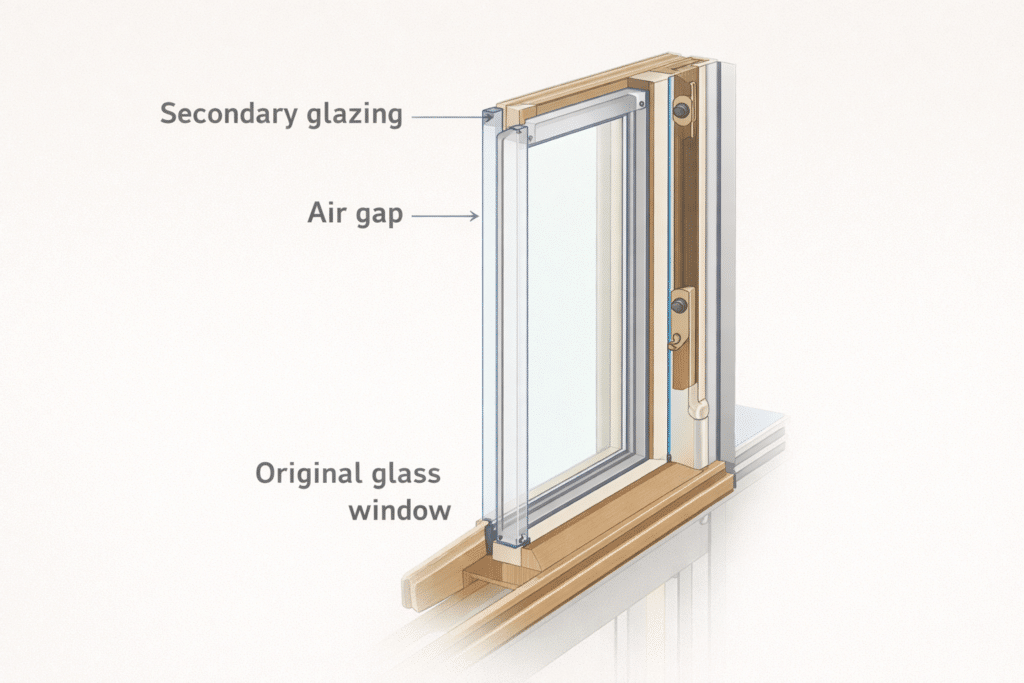
Secondary glazing is a glazing solution where an additional glazed panel is installed inside the existing window frame. This creates an insulating air gap between the original glass and the new internal panel. That air layer plays a key role in reducing heat transfer, blocking sound, and improving overall thermal and acoustic performance.
For timber and sash windows, this approach is particularly effective because it allows homeowners to retain original frames, cords, and detailing. There is no need for window replacement, no changes to the exterior, and no compromise on character. The existing windows remain in place and are fully functional.
Sash windows, sliding windows, and other traditional timber designs are well suited to secondary systems because the new glazing can be configured to slide, lift, or hinge in a way that mirrors the original operation. This means day-to-day use stays simple while performance improves significantly.
Secondary glazing is also widely used in apartments, offices, and warehouse spaces where altering external windows or doors is restricted. Because the system is installed inside, it avoids many of the approval and access issues that come with double glazing replacements.
The Key Benefits of Secondary Glazing: Warmth, Quiet, and Peace of Mind
Secondary glazing delivers measurable improvements that homeowners notice almost immediately. The combination of added glass, sealed frames, and an insulating air gap transforms how a room feels and sounds.
Key benefits include reduced noise levels, improved thermal insulation, and better control over indoor temperatures. This leads directly to a quieter, more comfortable home and lower energy bills.
Many people compare secondary glazing with the benefits of double glazing and are surprised by how close the performance can be, especially when the installation is done correctly. While it is not identical to full replacement double glazed windows and doors, it often provides the most practical balance of efficiency, cost, and preservation.
- Reduce noise from traffic, neighbours, aircraft, and general street activity
- Cut heat loss in winter and reduce heat gain during Brisbane summers
- Improve the home’s energy efficiency without changing the exterior
- Lower reliance on air conditioning and heating systems
- Preserve the original look and value of timber windows
For many Brisbane homes with timber and sash windows, secondary glazing is the smarter alternative to double glazing because it delivers strong acoustic and thermal performance without the risks and costs associated with the replacement of windows and doors.
Design Options That Protect the Character of Traditional Sash Windows
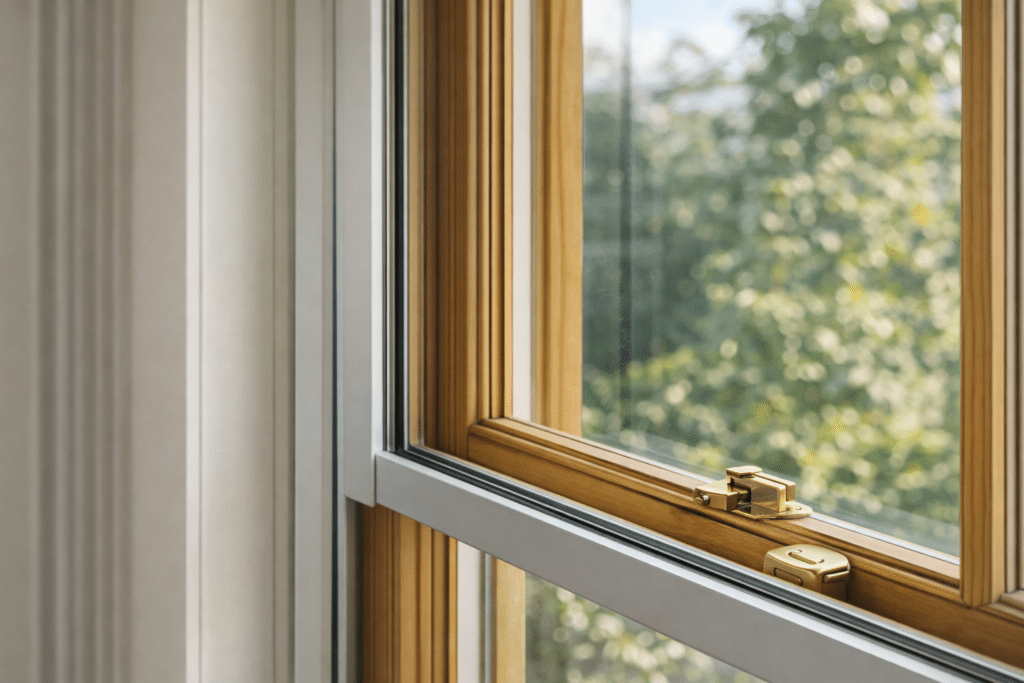
Modern secondary glazing systems are designed to blend into the interior without drawing attention. Slim aluminium frames, clear sightlines, and custom sizing ensure the new glazed panel fits neatly within the window reveal.
Design options are flexible and tailored to how the window is used. Systems can be matched to sliding windows, double hung sash windows, and fixed panes. The goal is to improve performance while keeping the window practical and visually consistent with the home’s interior style.
Glass selection also plays a role. Laminated glass is often chosen for better sound reduction, while different thicknesses can be used to improve acoustic performance by disrupting sound frequencies. High-quality seals ensure the system is airtight, reducing draughts and rattles that are common with older windows and doors.
- Vertical sliding panels that align with sash movement
- Hinged or lift-out panels for easy cleaning and access
- Laminated glass for improved acoustic performance
- Custom finishes to suit interior spaces
- Precision seals to reduce sound and heat transfer
These options allow homeowners to achieve modern performance without losing the charm that made them choose timber windows in the first place.
Design-focused secondary glazing is about subtle improvement, not visual change. With carefully matched systems, homeowners can get better performance while existing windows and doors continue to look and operate as intended – without the disruption of full double glazing replacement.
From heritage interiors to large warehouse applications, the right design choice ensures comfort enhancements stay discreet and functional. To discuss design options that suit your space, contact Winsulation to get a tailored quote and move forward with a solution that respects both performance needs and original character.
Planning Permission, Listed Buildings, and Conservation Areas Explained
One of the main reasons secondary glazing is widely recommended for older homes, commercial buildings, and warehouse spaces is its compatibility with planning and heritage requirements. Because the system is installed internally and does not alter the exterior appearance, it is often accepted where double glazing replacements are not.
In many cases, secondary glazing can be installed in listed buildings, conservation areas, and properties with strict body corporate rules. This makes it a practical solution for homeowners who want better comfort but need to retain the original exterior.
It is still important to confirm requirements for your specific property. A professional glazing service can advise on suitability and ensure the system is designed to meet both performance and compliance needs.
Because secondary glazing is typically approved for heritage, listed, and warehouse buildings, it offers a practical path to improved comfort without planning complications. For clarity on what’s suitable for your property, simply contact Winsulation and request a tailored quote to move forward with confidence.
How Secondary Glazing Is Installed Without Damaging Original Timber
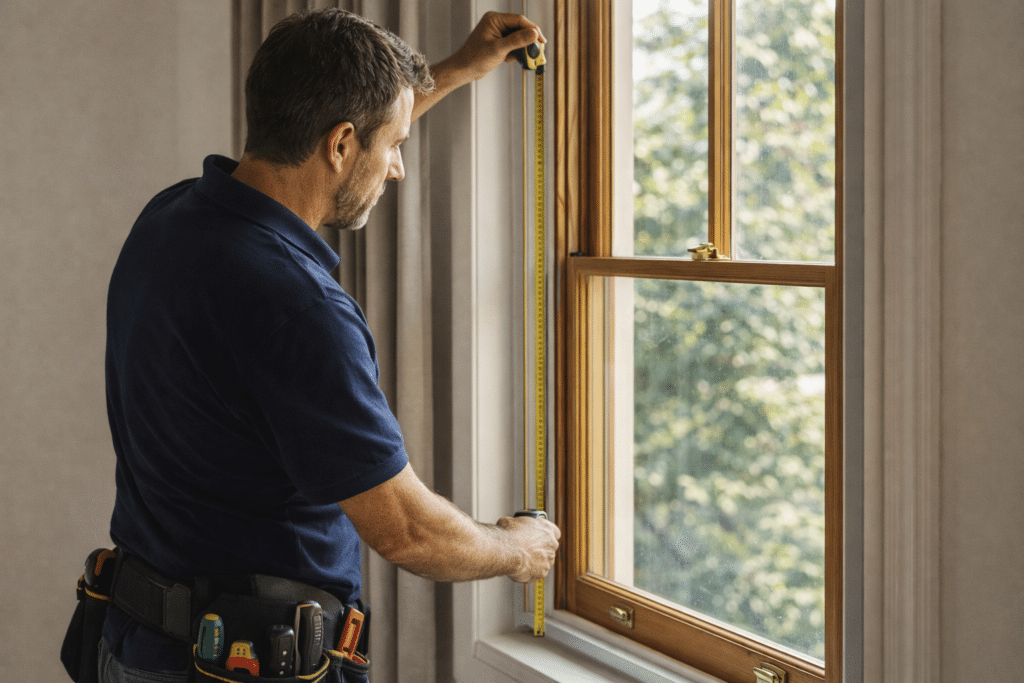
The success of secondary glazing depends heavily on correct measurement and professional installation. Poorly fitted systems can reduce effectiveness and create maintenance issues, especially with timber frames.
At Winsulation, installation is designed to be non-intrusive and precise, ensuring the original window frame and timber surfaces are protected throughout the process.
- Measure and assessment of each window to understand size, condition, and performance needs
- Custom manufacture of the secondary glazed system to suit the existing opening
- Professional installation inside the window frame with minimal disruption